Island of Saint-Barthélemy
French overseas collectivity — attractive tax environment and preserved setting
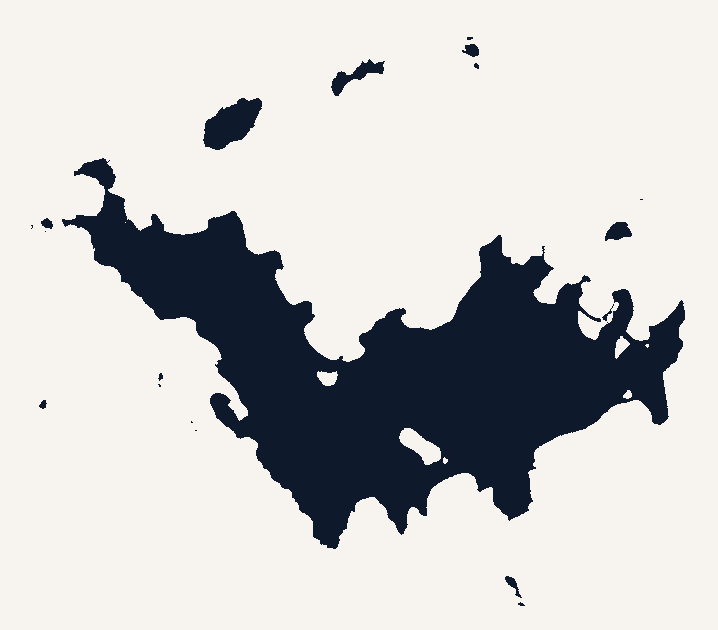
Island of Saint-Barthélemy
Saint-Barthélemy, a French overseas collectivity since 2007, is renowned for its idyllic setting and administrative autonomy. With around 12,000 residents across 25 km², the capital Gustavia is the administrative and economic centre. The island's many luxury villas play a key role in the local economy, operating under local regulations specifically designed for residents and investors.
Institutional organisation
Since the Organic Act of 21 February 2007, Saint-Barthélemy became a French Overseas Collectivity (COM) under Article 74 of the Constitution. On 1 January 2012, its EU status changed from outermost region (OMR) to overseas country and territory (OCT), benefiting from a specific association arrangement with the European Union.
Taxation
The Collectivité has autonomous legislative authority over taxation, governed by its own Code of Contributions. Tax rules differ significantly from mainland France. Real estate transactions and gratuitous transfers are subject to specific local rates. To qualify as a tax resident of Saint-Barthélemy, individuals must have been resident there for at least five years as of 1 January of the tax year. This advantageous tax environment is a major draw for international investors.
Urban planning
The Collectivité has had full autonomous legislative authority over urban planning since its creation in 2007, organised under the Saint-Barthélemy Urban Planning Code adopted on 30 October 2008. The Collectivité has also established a statutory right of pre-emption applying to real estate transfers. It is essential to verify local regulations before any real estate transaction on the island.
Island fact file
| Status | French overseas collectivity, EU OCT since 2012 |
| Area | 24 km² |
| Population | Around 12,000 residents |
| Capital | Gustavia |
| Currencies | Euro (€); US dollar widely accepted |
| Prefect | Cyrille Le Vely (since Feb. 2025) |
| CT President | Xavier Lédée (since Mar. 2022) |
| Particularity | Only French Caribbean island under Swedish rule (1784–1878); duty-free |
| Historic name | Ouanalao, original Arawak name |