Island of Saint-Martin
French overseas collectivity — Franco-Dutch binational island
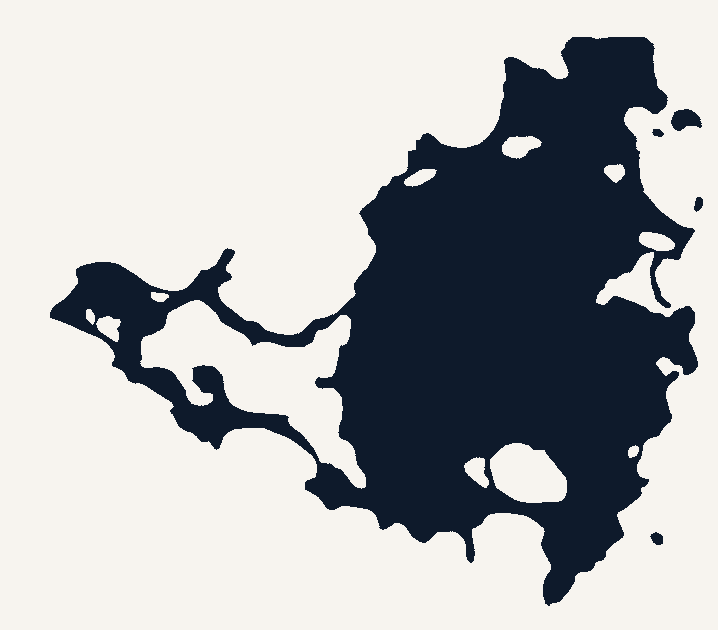
Island of Saint-Martin
Saint-Martin, a Lesser Antilles island of 93 km², is unique for its division between France in the north (53 km²) and the Netherlands in the south (34 km²), creating a rich cultural fusion. This duality is reflected in its distinct legal and fiscal systems, which influence real estate transactions and estate planning.
Institutional organisation
Since the Organic Act of 21 February 2007, Saint-Martin has been established as a French Overseas Collectivity (COM) governed by Article 74 of the Constitution, replacing the former commune, département and région of Guadeloupe. Unlike Saint-Barthélemy, Saint-Martin remains an outermost region (OMR) of the European Union, benefiting from all provisions of EU law.
Taxation
The Collectivité of Saint-Martin has autonomous legislative authority over taxation, governed by its own General Tax Code. Tax rules differ significantly from those applicable on mainland France. Real estate transactions and gratuitous transfers (gifts, inheritances) are subject to specific local rates. To qualify as a tax resident of Saint-Martin, individuals must have been domiciled there for at least five years.
Urban planning
The Collectivité has had autonomous legislative authority over urban planning since April 2012, independently of French national legislation. It is therefore essential to verify the specific local regulations in force before any real estate transaction.
Island fact file
| Status | French overseas collectivity since 2007 |
| Area | 53 km² (FR) / 34 km² (NL) |
| Population | 36,500 (FR) / 46,500 (NL) |
| Capital | Marigot (FR) / Philipsburg (NL) |
| Currencies | Euro, guilder, US dollar |
| Prefect | Cyrille Le Vely (since Feb. 2025) |
| President | Louis Mussington (since Apr. 2022) |
| Particularity | Over 70 nationalities on the island |
| Historic name | Soualiga, "land of salt" in Arawak |